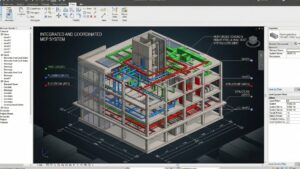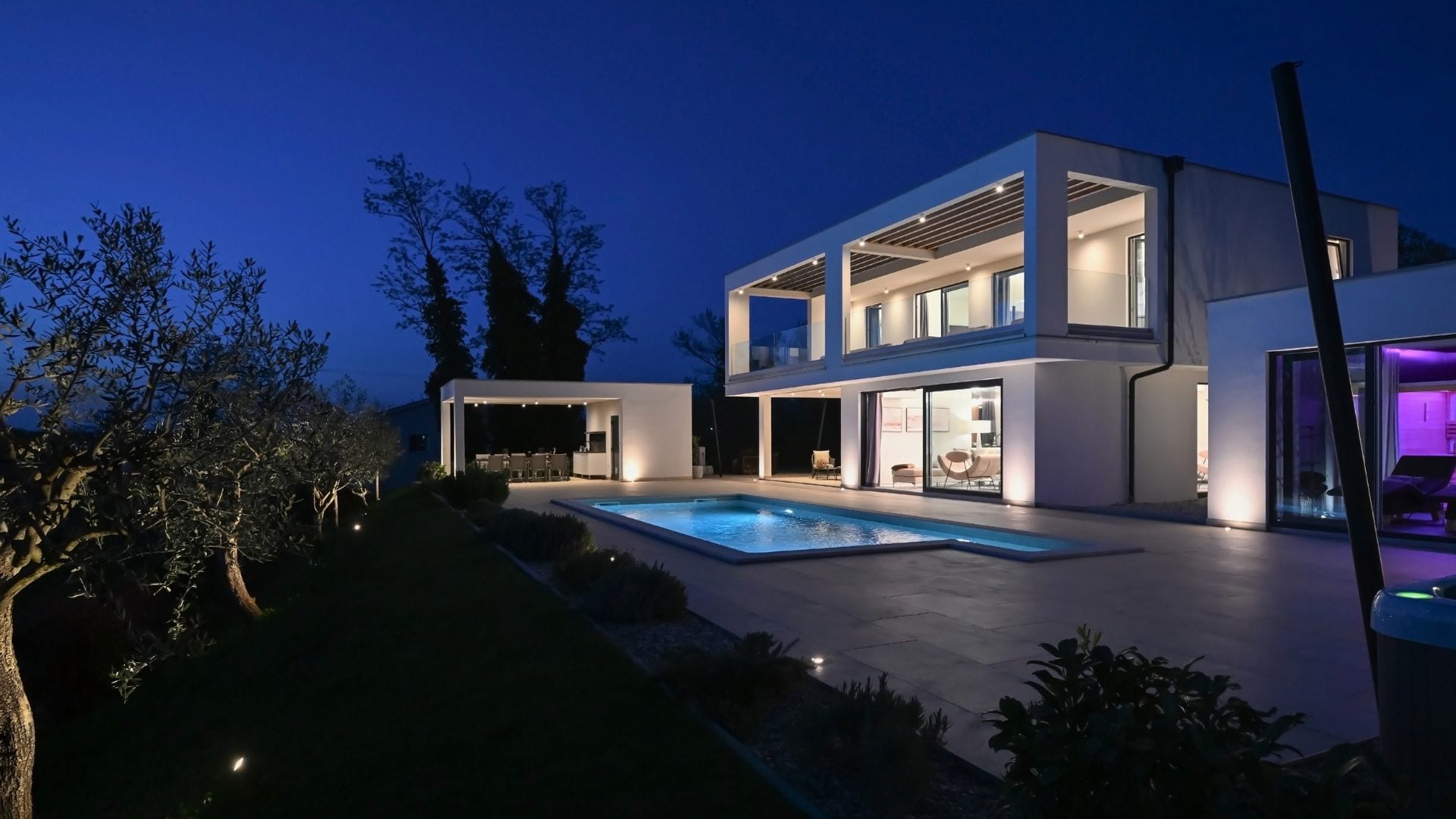
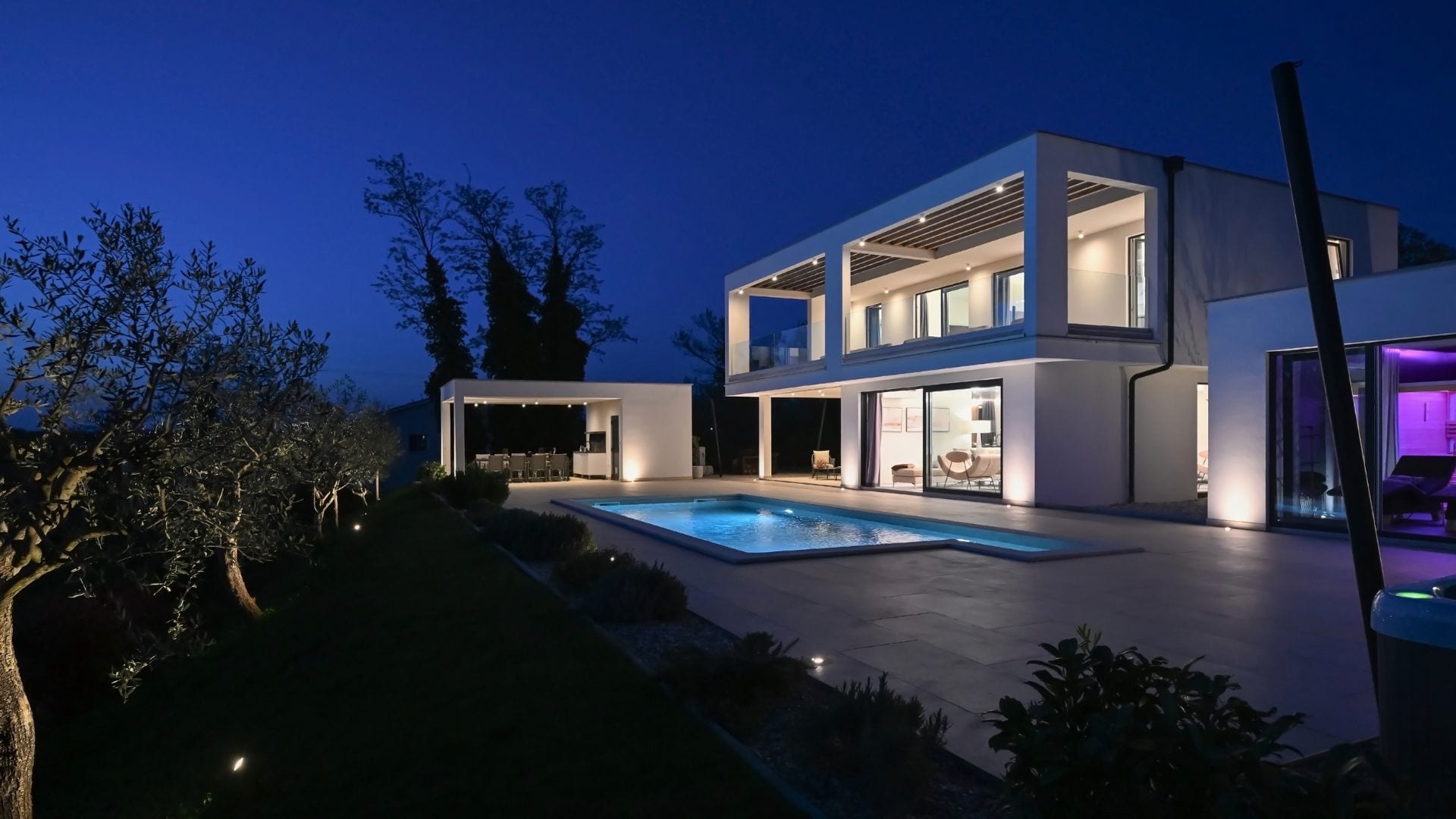
In coastal, hurricane-prone regions, design is not just an aesthetic matter: it’s the first line of defense to protect lives and protect investment. At UrbanRise, resilient residential design starts from a simple but powerful premise: anticipate risk before you build.
Every hurricane season leaves the same lesson. The homes that withstand it aren’t the lucky ones—they’re the ones designed to withstand it. Resilience isn’t improvised: it’s planned from the project’s very first line.
The cost of not planning
Rework, overruns, and damage from extreme weather usually originate in decisions made—or not made—in the early stages. A poorly specified envelope, a weak structural connection, or a system without wind-load analysis can compromise the entire asset when the storm arrives.
And the cost isn’t only repairs. It’s the lost income while the property can’t be used, the rising insurance premium, the loss of resale value, and, in the worst case, the risk to people. Against all that, investing in resilient design is one of the most profitable decisions an owner can make.
Three principles of resilient design
- Energy efficiency: lower consumption and greater comfort across the life cycle, and less dependence on systems that can fail during an extreme event.
- Structural resilience: systems designed specifically for the site’s wind and seismic loads, with special attention to connections and the envelope.
- Occupant safety: people’s comfort and well-being as a priority, both day to day and during an emergency.
The envelope: your first defense
In a hurricane, the building wins or loses at its envelope: roof, facades, windows, and doors. If wind gets inside—say, by breaking a window—internal pressure spikes and can lift the roof from within. That’s why resilient design pays special attention to openings, roof anchorage, and envelope continuity. These are details that cost little if planned in time and a great deal if ignored.
Resilience and asset value
A resilient home doesn’t just withstand better: it’s worth more. It suffers less damage, qualifies for better insurance terms, holds its market value, and lowers operating costs. In a market where climate matters more and more to buyers and insurers, resilience is becoming a first-order value proposition.
Have a project in a high-risk area? Let’s talk and secure your investment from day one. And to go deeper, explore our Resilient Residential Design service.